Pharma Without Illusions: Hard Facts & Future Lessons


Galenisys Newsletter : February 2026
Table of Contents
-
TALES FROM FARAWAY PHARMA
by Steve Biddulph -
LETS BE CLEAR SEEING THROUGH THE FOG
by The Editor -
"GENERATION Z", AND FUTURE HEALTH
by Hannah Westwood -
THE WAR GOES ON
by The Editor -
DOWNSIZING WITH ELI LILLY AND NOVO NORDISK
by The Editor
TALES FROM FARAWAY PHARMA

By Steve Biddulph
Fellow of Royal Society of Biology. Board level pharma experience. QSM and Aseptic Manufacturing & Control Expertise. Galenisys Managing Director.
CHILE “They liked our product so much that…”
Way down south in the world, I was visiting our company’s site in Chile. I was interested in learning how they managed several different and very varied Contract Manufacturing Organisations (“CMOs”). Some of them manufactured solid dose, others liquids and creams and a few manufactured sterile products.
I reviewed the Supplier Management Process: Technical Agreements, the ongoing CMO monitoring programmes of Audits, Transport Validation and QC testing of incoming samples. These systems were in good order, and Samples were well identified and had excellent traceability through QC with a high standard of data integrity.
At the end of my review at the company, I was discussing a few points with the head of QC when I noticed a set of samples behind him that were not in the colours of our company. I asked if he did contract QC work for companies other than those who produced under contract to us. Only this one, he said, showing me one of the samples. “This is produced for our Argentinian company under contract by a CMO in Paraguay”.
As usual I decided to follow the trail. Further investigation quickly revealed that the Argentinian affiliate has ceased using the Paraguayan CMO several years previously. This Paraguayan CMO had found that the product sold very well in Paraguay so continued to manufacture it and sold it in their branded packaging in their home market.

This “thorny” problem of “buccaneering” was handed over to our legal department to sort out but confirms once again that when dealing with CMOs & third parties, up front Supply, Confidentiality and Technical Agreements are a vital, and
above all on site Audits are a must.
Steve Biddulph
LETS BE CLEAR SEEING THROUGH THE FOG
Please Read the Science
by The Editor
In the age of simplistic headlines trotting across the nightly newscasts, we really do need to know about the comprehensive studies which debunk the false and incorrect news on health matters.
And we've had plenty of outlandish claims since Robert F Kennedy Junior became US Secretary of Health.
It is well established that women in pregnancy who develop fever need treatment to lower body temperature and thus prevent possible damage to the unborn child. Paracetamol or acetaminophen is the most widely available and recommended product for this condition. Tylenol is one such brand.
So, the study published by The Lancet on the 16th of January this year was most welcome of which extracts of the article by 7 experts are quoted below with acknowledgements to The Lancet and the Authors:
“Prenatal paracetamol exposure and child neurodevelopment: a systematic review and meta-analysis.
“…this systematic review and meta-analysis found no evidence that maternal paracetamol use during pregnancy increases the risk of autism spectrum disorder, ADHD, or intellectual disability among children.”
“Background
Concerns have emerged about the impact of paracetamol use in pregnancy on child neurodevelopment, particularly in relation to autism spectrum disorder. We aimed to synthesise available evidence to investigate associations between prenatal paracetamol exposure and autism spectrum disorder, attention-deficit hyperactivity disorder (ADHD), and intellectual disability.
Methods
For this systematic review and meta-analysis, we searched MEDLINE, Embase, ClinicalTrials.gov, and the Cochrane Library from inception to Sept 30, 2025, for cohort studies reporting adjusted estimates of the risk of autism spectrum disorder, ADHD, and intellectual disability.
Eligible studies used validated questionnaires or medical records to define outcomes, reported maternal comorbidities and treatments, and compared pregnancies with and without paracetamol exposure, whereas unadjusted studies were excluded. Quality assessment of the included studies was conducted using the Quality In Prognosis Studies (QUIPS) tool.
The primary outcomes were the associations between prenatal paracetamol exposure and the likelihood of autism spectrum disorder, ADHD, and intellectual disability. Analyses were restricted to sibling-comparison studies with adjusted estimates, and odds ratios (OR) were calculated.
Random-effects meta-analyses used the generic inverse variance method. Subgroup analyses were performed when possible (trimester, duration of use, offspring sex, and follow-up length). This study was registered with PROSPERO, CRD420251156690.
Findings
43 studies were included in the systematic review, and 17 studies in the meta-analysis.
When considering sibling comparison studies, paracetamol exposure during pregnancy was not associated with the risk of autism spectrum disorder (OR 0·98, 95% CI 0·93–1·03; p=0·45), ADHD (0·95, 0·86–1·05; p=0·31), or intellectual disability (0·93, 0·69–1·24; p=0·63).
There was also no association between paracetamol intake during pregnancy and autism spectrum disorder (OR 1·03, 95% CI 0·86–1·23; p=0·78), ADHD (0·97, 0·89–1·05; p=0·49), or intellectual disability (1·11, 0·92–1·34; p=0·28) when considering only studies at low risk of bias according to QUIPS.
This absence of association persisted when considering all studies with adjusted estimates and those with more than 5 years of follow-up.
Interpretation
Current evidence does not indicate a clinically important increase in the likelihood of autism spectrum disorder, ADHD, or intellectual disability in children of pregnant individuals who use paracetamol as directed, supporting existing recommendations on its safety.
Introduction
Paracetamol, or acetaminophen, is the most commonly used analgesic and antipyretic during pregnancy, recommended globally as a first-line option for pain relief and fever reduction.
Its safety profile is generally more favourable than that of non-steroidal anti-inflammatory drugs and opioids, making it the preferred choice in obstetric care. However, concerns have arisen regarding its potential impact on child neurodevelopment, including conditions such as autism spectrum disorder.
The public debate gained traction in September, 2025, when the US Government suggested that prenatal exposure to paracetamol might contribute to autism, citing a review linking acetaminophen use in pregnancy to neurodevelopmental outcomes.
This review was limited by data variability and significant differences in how studies defined exposure and outcomes. Despite these concerns, major professional organisations, such as the American College of Obstetricians and Gynecologists (USA) and the Royal College of Obstetricians and Gynaecologists (UK), continue to endorse the safe use of paracetamol during pregnancy when used appropriately.
Conflicting findings in the literature stem from variability in evaluating neurodevelopmental outcomes and the timing of acetaminophen use.
(The article goes on to detail why preliminary & limited research has contributed to the scares, and provides great detail).
End of Lancet Extracts
The Editor: Separately the EMA published the article titled:
"Use of paracetamol during pregnancy unchanged in the EU 23 September 2025"
Paracetamol medicines can be used in pregnancy, in accordance with official recommendations.
Citing the above Lancet study the EMA also reiterated that:
“In the EU, paracetamol (also known as acetaminophen) can be used for reducing pain or fever during pregnancy if clinically needed. There is currently no new evidence that would require changes to the current EU recommendations for use”.
The Editor
"GENERATION Z", AND FUTURE HEALTH
What the Pharma Industry should note
By Hannah Westwood
Early in the year we look ahead to the next 12 months & the future. This future will soon be influenced much more by Gen Z than we, “Baby Boomers”.
Currently we in the Industry think the most important issues are things like new vaccines, anti vax propaganda, obesity, junk food, health supplements, Disease X, drug addiction, Chinese & Indian competition, AI impact on R&D, treatment of the Aged; etc.
But what do Gen Z think are the important issues for health and well-being? Or do they think about these things at all?
We decided to ask a budding young UK journalist Hannah Westwood to give her views on these issues and those of her cohort.
The Editor
Looking ahead to my future but stuck at home, I turned eighteen during the second UK lockdown. For many of Gen Z – those aged 13 to 28 – milestones like passing driving tests and moving out of home were delayed or severely stripped down. Given the number of deaths and the effects of long Covid, some may have gained a newfound perspective on the importance of their own wellbeing. But if the pandemic is but a hazy memory now, there is one other factor disproportionately affecting young adults’ attitudes towards health: social media.
This age category is more likely to turn to the Internet and social media for advice about their medical concerns, figures from YouGov confirm, with 40% of Gen Z acquiring their health information from social media compared to their elders. Whilst there is genuinely helpful information to be found, the market is also saturated with influencers promoting alternative therapies with shaky health claims. Gen Z will be particularly vulnerable to this style of marketing by the health industry.
In some ways, Gen Z is no different to past generations because fitting in and looking good are their top priorities. This pressure is amplified by health trends on TikTok which may lead young adults astray (beef tallow moisturiser, anyone?). But against all odds, Gen Z does seem to understand that prevention through good lifestyle choices is crucial for living a longer life.
One growing health trend that has Gen Z under its thumb (or around their finger or wrist) is wearable health gadgets. From smartwatches to sleep-tracking rings, the tech-savvy can now track steps, heart rates and sleep quality with a single swipe or tap. This trove of health data allows for precise, personalised health advice.
Phoebe, 19, was given an Oura ring as a gift from a family member. She showed me how (for £5.99/mn.) the app calculates how much REM sleep you got, your body temperature, your daily steps, and even where you’re at in your menstrual cycle. “I’m really impressed with the accuracy of it, especially because it’s so small,” she said, “although I’m not sure I would have bought it for myself”. Although costly, some Gen Z-ers appear willing to splash out to keep tabs on their health.

Emma, 18, a year French student told us of her concern that bad or misleading advice could be found on the internet; that certain illnesses got more attention than others of equal seriousness, & added her friends favoured vaccination in general.
Another surprising statistic is that Gen Z is drinking less alcohol compared to older generations. Whilst parents of teens in the pandemic might have feared their children would overdo it at post-lockdown parties, the opposite is in fact true. Perhaps young adults, accustomed to always keeping half an eye on the news for global health updates, were the first to heed WHO 2023 warning that there is no safe level of alcohol consumption. Moreover, the rise of chronic health conditions among aging populations in Western countries is a stark reminder that unhealthy habits will catch up with you.
For Adam, a 21-year-old student, going to the gym gives him a sense of community that past generations might have found at the local pub. “It’s not just about the health benefits for me, everyone there is really supportive of each other,” he says. “It can be time-consuming to plan my workouts and my diet, and the gym membership is expensive, but it’s one hundred per cent worth it for me”.
Overall, Gen Z’s approach to health reflects a generation having lived through the uncertainty of the early 2020s and navigating rapid technological advances.
Whether their generally healthy habits lead to truly lasting benefits will depend on how critically they engage with the content shaping their choices.
Hannah Westwood
THE WAR GOES ON
Prepare & prevent
The Editor
As with human conflicts success in the “epidemic” wars depends on preparation & action. Although currently it’s a low intensity conflict, it’s good that CEPI & others have had a successful 2025 in the pandemic wars.
Progress is measured trial by trial, partnership by partnership, milestone by milestone, & mastering outbreaks. For CEPI, their 100 Days Mission includes these & other parameters to snuff out the world’s most troublesome viral threats faster.
Specifically what CEPI have achieved includes:
• funded the launches of the world’s first Phase II clinical trial for a Nipah virus vaccine, & the first Phase II clinical trial in an endemic region for a Rift Valley fever vaccine,
• monitored and responded to more than a dozen outbreaks, supporting nationally led R&D responses.
• launched a new programme to develop broadly protective filovirus family vaccines
• invested in the world’s most advanced mRNA-based pandemic flu vaccine,.
FUTURE PREPARATIONS INCLUDE
• The development by CBio with CEPI funding of $199,000, a rapid sterility-testing system based on its cellPhoresis™ technology, a lab technique that uses an electric field to move or separate particles and thus detect microbial contamination in under 24 hours.
• CEPI and a US Department of Defense, joint program (JPEO-CBRND) have signed a new agreement to collaborate on projects that expand global defences against disease outbreaks, starting with JPEO-CBRND transferring doses of a Nipah monoclonal antibody to CEPI for Phase 1b/2a clinical trials. (CEPI’s first R&D partnership with a security organisation).
The Editor
DOWNSIZING WITH ELI LILLY AND NOVO NORDISK
less is more
The Editor
To my generation “downsizing” has always meant moving from a house which has become too large because the children have already left, to a smaller property which is easier to maintain.
In the age of GLP 1 drugs however it’s acquired has another meaning altogether, as Ozempic Wegovy & Mounjaro have taken the western world by storm to treat obesity & prompt weight loss. As we know these drugs work by suppressing the appetite and helping people to eat less.
However, it's still great to meet up with friends in a good restaurant, where normally the proprietors hope that the clients will eat as much as possible.
The answer for some chefs seems to be to accept the new situation. About one in eight US adults has taken a GLP 1 drug for weight loss according to research. So, catering for these sorts of clients is the same as catering for vegetations (~5%) or those with food allergies (~6%). And marketeers had already notice that in commerce you can charge proportionally more by shrinking a product than you could if it were the original larger size.
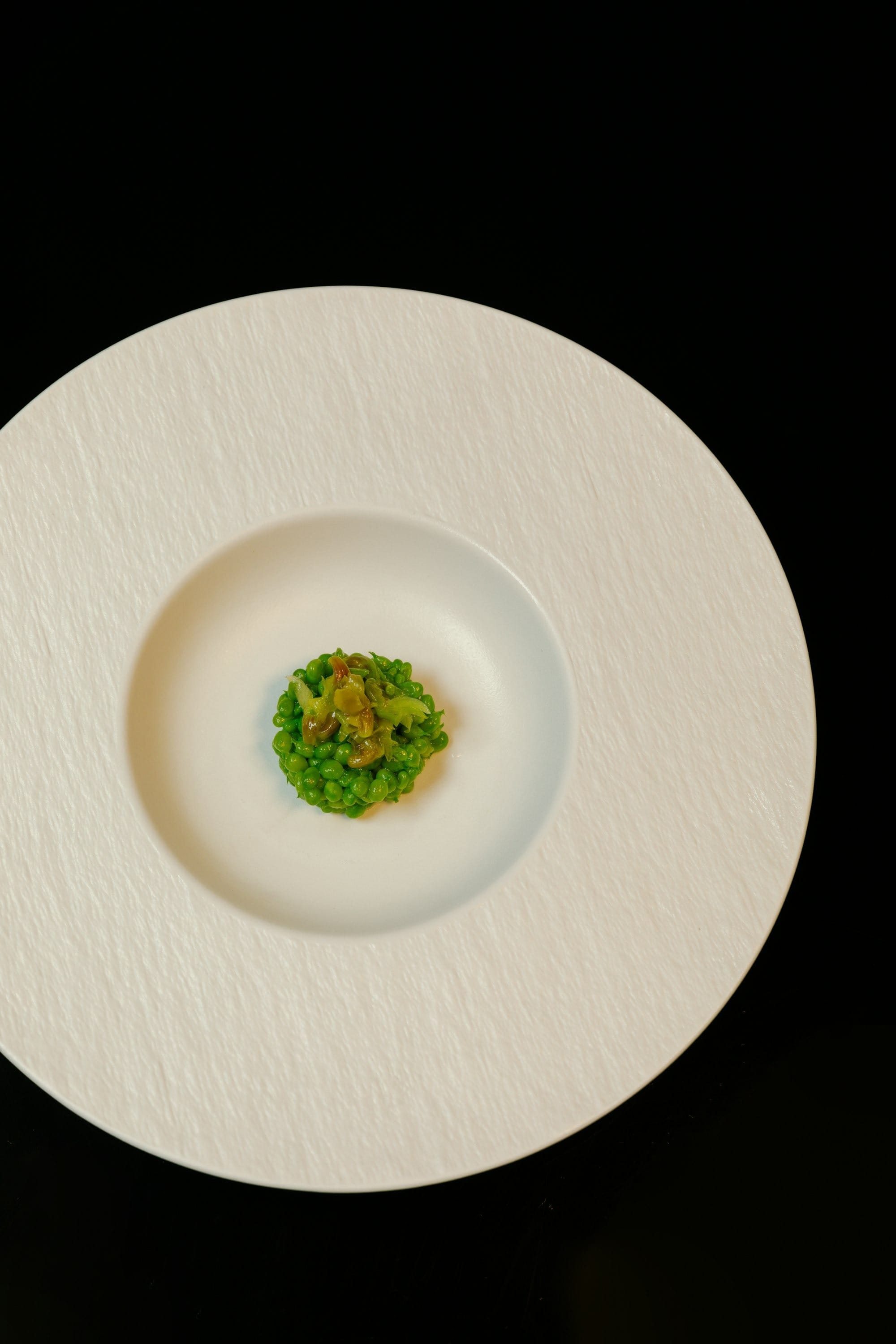
Smart food chains are there for adapting and advertising smaller dish menus, including one which boldly advertises a “GLP wonderful menu”!
The Editor


